Lymph Savior Official Website › Lymph Savior Ingredients
Lymph Savior IngredientsLymph Savior Ingredients: All Six Botanicals, Read Off The Label
By the Lymph Savior Team at Lymphsaviior · Reviewed by Dr. Carolyn Finnegan, functional medicine practitioner · Revised
Six plants are named on Lymph Savior, and no amount is printed for any of them.
Red clover, horse chestnut seed, red root, centella asiatica, burdock root and yerba mate leaf. Two have dose-specific human trials behind them in venous disease, one has trials in unrelated conditions, and one has no modern clinical literature at all. A second vendor graphic names two different plants.
What follows is every name on the label, the part of the plant it comes from, what the published trials gave it at, and what those trials were actually measuring.
Where the Lymph Savior ingredient list comes from
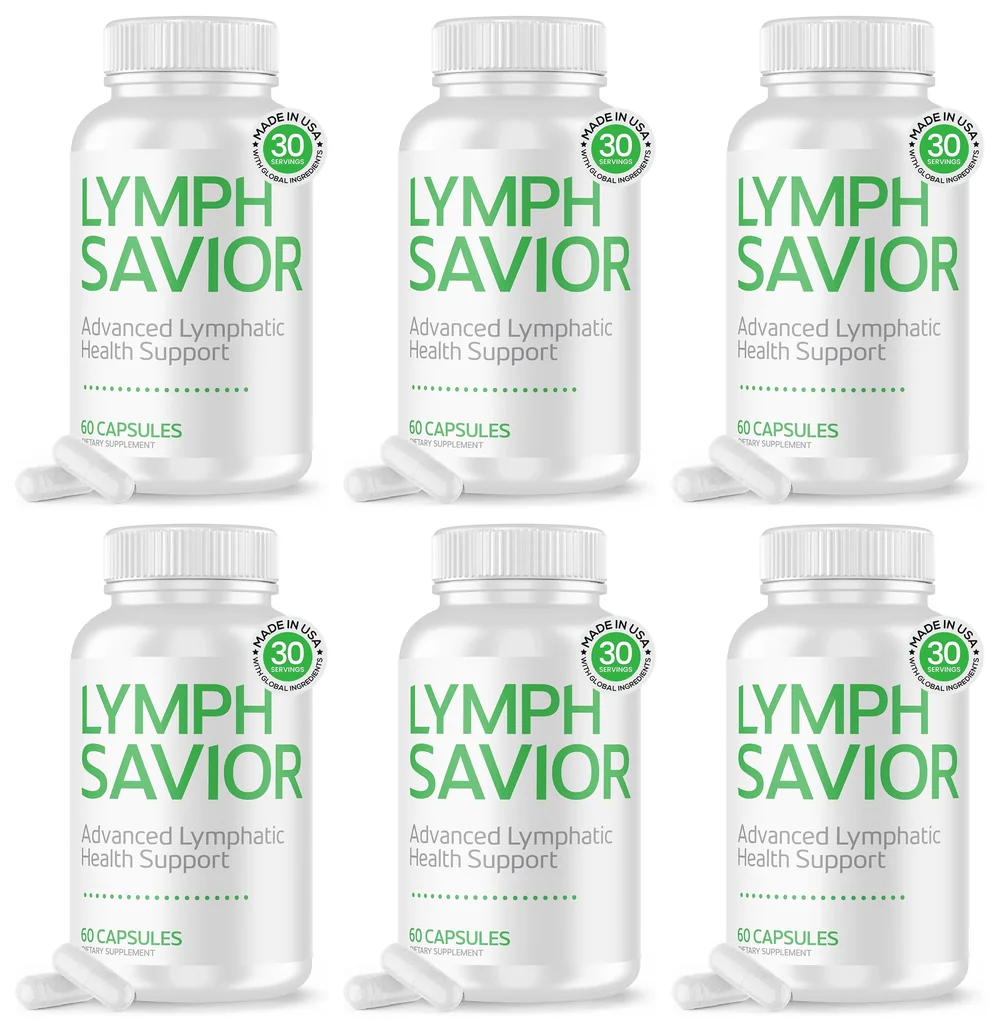
Three documents describe what is in this bottle, and two of them agree.
The first is the seller’s written list, which names six plants with their Latin binomials and the part used. The second is the detailed vendor graphic, headed INSIDE LYMPH SAVIOR, which names the same six in the same form. The third is a simpler circle graphic, headed WHAT IS INSIDE, which keeps four of them and substitutes ginger root and echinacea for red root and centella asiatica.
None of the three is a Supplement Facts panel. No render the manufacturer ships shows the back of the bottle, and no panel appears on the seller’s page, so there is no regulated statement to settle the disagreement. This desk follows the two sources that agree with each other and carry the more specific information, and treats the circle graphic as artwork.
| Named on the label | Latin | Part used | Also on the circle graphic? |
|---|---|---|---|
| Red Clover Extract | Trifolium pratense | leaves and flowers | Yes |
| Horse Chestnut Extract | Aesculus hippocastanum | seed | Yes |
| Red Root Powder | Ceanothus americanus | root | No |
| Centella asiatica Extract | Centella asiatica | aerial parts | No |
| Burdock Powder | Arctium lappa | root | Yes |
| Yerba Mate Extract | Ilex paraguayensis | leaves | Yes |
Ginger root and echinacea appear on the circle graphic and on neither of the other two sources. They are not described anywhere on this website as ingredients of this capsule.
Echinacea is itself an Asteraceae plant, and ginger is taken seriously alongside anticoagulants. Anyone for whom either is a real constraint should put the question to the manufacturer rather than resolve it from a marketing graphic. The order desk will take the question and this desk will print the answer on this page when it has one.
Every Lymph Savior botanical, and what it was actually studied at
Red Clover Extract
Trifolium pratense, leaves and flowersAmount not givenA legume whose flowers hold four isoflavones, and by some distance the most studied plant on this label. Nine randomised trials pooled in 2026 gave 37.1 mg to 160 mg of isoflavones a day for between twelve weeks and twelve months, and found a small-to-moderate reduction in hot-flush frequency against placebo (Jiang & Wu, 2026). A separate randomised trial reported improvements in both menopausal symptoms and blood lipids (Yigit & Unsal, 2024), and a third tested fermented isoflavones for overactive bladder (Villadsen, 2023).
None of that is about fluid drainage, and it is worth being clear that red clover is on this label for its traditional reputation as a blood and lymph herb rather than for the trials that exist.
The safety picture is better documented than most botanicals manage. A three-year randomised study in 401 women with a family history of breast cancer used a standardised 40 mg isoflavone product and found no adverse effect on breast density, endometrial thickness, cholesterol or bone mineral density (Powles, 2008). Red clover also contains coumarins, which is the reason anticoagulants appear on the safety page (NCCIH: red clover).
Horse Chestnut Extract
Aesculus hippocastanum, seedAmount not givenThe strongest evidence on this label, and the clearest example of why amounts matter. The active fraction is aescin, a mixture of triterpene saponins, and the trials are built around a standardised dose of it.
A randomised trial in 240 people with chronic venous insufficiency gave dried seed extract standardised to 50 mg of aescin twice daily for twelve weeks, against class II compression stockings and against placebo. Lower-leg volume fell by 43.8 ml on the extract and 46.7 ml on compression, and rose by 9.8 ml on placebo (Diehm, Lancet 1996). The Cochrane review of oral horse chestnut seed extract pooled seven placebo-controlled trials for leg pain and seven for leg volume and concluded that it is an efficacious and safe short-term treatment for the condition (Cochrane HCSE, 2012).
Two things follow. First, this is venous evidence: leaking vein valves and raised venous pressure, not blocked lymphatics. Second, a bottle that does not say how much aescin it holds cannot be compared with those trials at all. Standardised extract is also not the raw conker, which contains aesculin and is toxic (NCCIH: horse chestnut, LiverTox: horse chestnut).
Red Root Powder
Ceanothus americanus, rootAmount not givenNew Jersey tea, and the most traditionally lymphatic plant on this label. In Western herbal practice it is the classic lymphatic remedy, prescribed for swollen nodes and sluggish drainage for well over a century.
The modern literature does not exist. A search of PubMed for Ceanothus americanus returns work on nitrogen-fixing soil bacteria, on butterfly nectar in oak savannas, on plant cyclic peptides, and one clinical article published in the Atlanta Medical and Surgical Journal in 1868 (Phares, 1868). There is no randomised trial, no controlled study, no pharmacokinetic work and no safety series.
That is not a claim that the plant does nothing. It is a statement about how much is known, which is close to nothing, and a reader choosing between this formula and a single standardised extract is entitled to weigh it.
Centella asiatica Extract
Centella asiatica, aerial partsAmount not givenGotu kola, and the second of the two plants here with dose-specific human trials. Its studied fraction is the total triterpenic fraction, built around asiaticoside, madecassoside and asiatic acid.
A systematic review of thirteen databases found eight randomised studies in chronic venous insufficiency, and pooling the comparable ones showed improvement in transcutaneous gas measurements, the rate of ankle swelling and the venoarteriolar response (Chong & Aziz, 2013). One trial was able to separate a 120 mg daily arm from a 60 mg one, which is the sort of dose-response that makes a result believable (Incandela, 2001). Another gave 60 mg three times a day around flights of more than three hours and measured less ankle swelling than in untreated controls (Cesarone, 2001). The same review is candid that reporting quality was poor enough to leave the risk of bias unclear.
Two published case reports describe liver injury following centella use, one of them in a child (Dantuluri, 2011, Jorge & Jorge, 2005), and the national liver-injury reference carries an entry for it (LiverTox: Centella asiatica). A broad pharmacological review sets out the rest of what is known about the plant (Torbati, 2021).
Burdock Powder
Arctium lappa, rootAmount not givenA large biennial root vegetable, eaten as gobo in Japan and used as an alterative in Western and Chinese herbal traditions. Its reputation in this category is old and its trials are all in other conditions.
Burdock root tea, three cups a day at 2 g of root steeped in 150 ml of boiled water, taken for 42 days alongside standard analgesia, lowered interleukin-6, high-sensitivity CRP and malondialdehyde and raised total antioxidant capacity in knee osteoarthritis (Maghsoumi-Norouzabad, 2016). A 12-week study combined burdock intake with water exercise in women aged 70 to 80 and measured blood lipids and vascular elasticity (Ha, 2018). A 2026 trial gave burdock root powder in polycystic ovary syndrome and measured oxidative stress and inflammation (Taheri, 2026).
The form is worth noticing. Two of those three used a hot-water infusion, and a powder in a capsule is not the same preparation. Burdock also sits in the Asteraceae family with ragweed, chamomile, chrysanthemum and echinacea, which is one of the commonest sources of plant contact allergy (Kljucevsek & Kreft, 2025, Paulsen, 2023).
Yerba Mate Extract
Ilex paraguayensis, leavesAmount not givenA caffeinated holly leaf, drunk across southern South America and rich in chlorogenic acids. It is the only stimulant on this label and the label does not quantify it.
A 2025 systematic review and meta-analysis of thirteen randomised trials found improvements in post-prandial glucose, HbA1c and the HOMA index in pre-diabetes, and no significant effect on triglycerides, cholesterol, fasting glucose, waist circumference or BMI (Li, 2025). Eight weeks of three mate servings a day lowered blood pressure and several inflammatory markers in non-habitual drinkers (Bravo, 2025). An encapsulated dry extract delivering 580 mg of caffeoylquinic acids a day for four weeks moved none of its primary parameters, which is the closest trial in form to a capsule (Gebara, 2020, Balsan, 2019).
The adverse events recorded in those trials are the ones a caffeinated leaf would produce: insomnia, tachycardia, headache, mucosal irritation. Separately, the epidemiology of mate drunk very hot is a genuine finding and belongs on any honest page about the plant: pooled case-control data from 1,400 oesophageal cancer cases found risk rising with cumulative consumption and rising further with beverage temperature (Lubin, 2014), and the IARC working group reviewed it alongside very hot beverages generally (IARC Monograph 116, 2018). A room-temperature capsule is not a scalding infusion, and that is exactly the point: the thermal half of that risk does not transfer to this bottle.
What the Lymph Savior label would have to print for a comparison to work
Every amount above belongs to a trial, not to this bottle. Setting them out together makes the gap visible in one place, which is the most useful thing this page can do.
Two of those rows carry a real number with a real result attached. One carries no number because no study exists. Three carry numbers from conditions that have nothing to do with drainage.
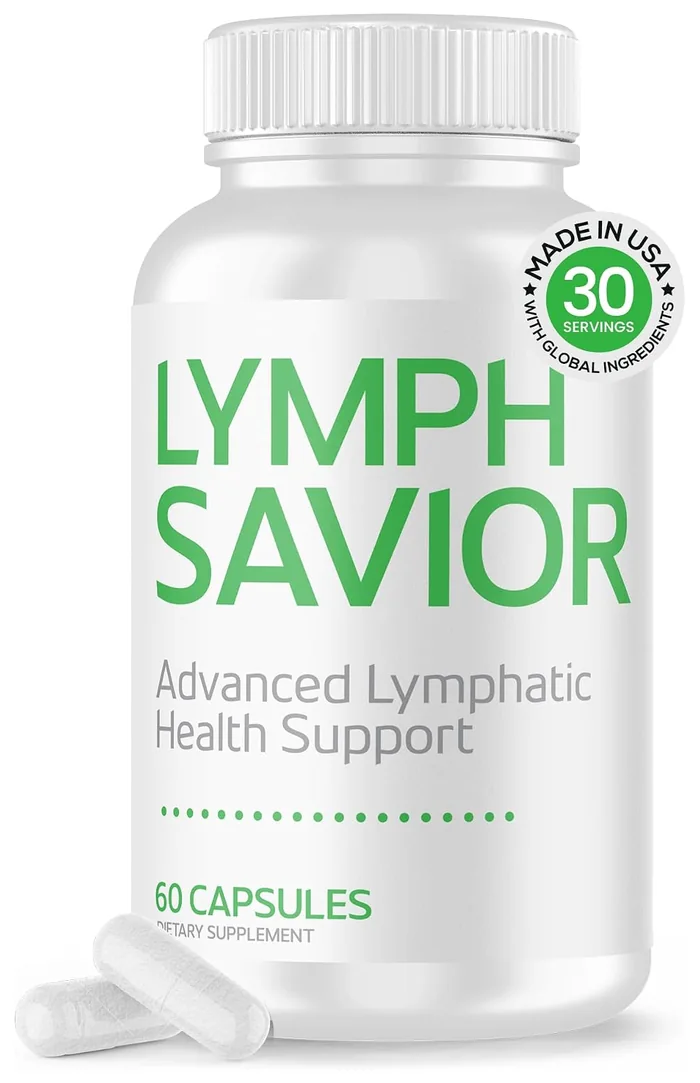
What would close the gap is one photograph of the back of the bottle. A Supplement Facts panel would print a serving size, an amount for each botanical or for the blend, and an other-ingredients line naming the capsule shell, which is what the labelling rules are built around (FDA supplement labeling guide). Until that exists, the honest position is the one on this page: the names are known, the amounts are not.
Who publishes this Lymph Savior website?
Every paper cited in a sentence on this page, in full.
- Jiang W, Wu K. The effectiveness of red clover on hot-flash in menopausal women: a GRADE-assessed systematic review and meta-analysis. Eur J Obstet Gynecol Reprod Biol. 2026;324:115226. https://pubmed.ncbi.nlm.nih.gov/42269521/.
- Powles TJ, Howell A, Evans DG, et al. Red clover isoflavones are safe and well tolerated in women with a family history of breast cancer. Menopause Int. 2008;14(1):6-12. https://pubmed.ncbi.nlm.nih.gov/18380954/.
- Yigit E, Unsal S. Isoflavones obtained from red clover improve both dyslipidemia and menopausal symptoms in menopausal women: a prospective randomized placebo-controlled trial. Climacteric. 2024;27(6):548-554. https://pubmed.ncbi.nlm.nih.gov/39254422/.
- Villadsen AB, Holm-Jacobsen JN, Prabhala BK, et al. Use of fermented red clover isoflavones in the treatment of overactive bladder in postmenopausal women: a randomized, double-blinded, placebo-controlled trial. Nutrients. 2023;15(19):4141. https://pubmed.ncbi.nlm.nih.gov/37836449/.
- National Center for Complementary and Integrative Health. Red Clover. https://www.nccih.nih.gov/health/red-clover
- Pittler MH, Ernst E. Horse chestnut seed extract for chronic venous insufficiency, Cochrane Database Syst Rev. 2012;11:CD003230. https://pubmed.ncbi.nlm.nih.gov/23152216/.
- Diehm C, Trampisch HJ, Lange S, Schmidt C. Comparison of leg compression stocking and oral horse-chestnut seed extract therapy in patients with chronic venous insufficiency, Lancet. 1996;347(8997):292-4. https://pubmed.ncbi.nlm.nih.gov/8569363/.
- LiverTox: Clinical and Research Information on Drug-Induced Liver Injury. Horse Chestnut. Bethesda (MD): National Institute of Diabetes and Digestive and Kidney Diseases. https://www.ncbi.nlm.nih.gov/books/NBK548217/
- National Center for Complementary and Integrative Health. Horse Chestnut. https://www.nccih.nih.gov/health/horse-chestnut
- Phares DL. Ceanothus Americanus: Red Root, New Jersey Tea. Atlanta Med Surg J. 1868;9A(3):129-131. https://pubmed.ncbi.nlm.nih.gov/35824507/.
- Chong NJ, Aziz Z. A systematic review of the efficacy of Centella asiatica for improvement of the signs and symptoms of chronic venous insufficiency, Evid Based Complement Alternat Med. 2013;2013:627182. https://pubmed.ncbi.nlm.nih.gov/23533507/.
- Incandela L, Belcaro G, De Sanctis MT, et al. Total triterpenic fraction of Centella asiatica in the treatment of venous hypertension: a clinical, prospective, randomized trial using a combined microcirculatory model. Angiology. 2001;52 Suppl 2:S61-7. https://pubmed.ncbi.nlm.nih.gov/11666126/.
- Cesarone MR, Incandela L, De Sanctis MT, et al. Flight microangiopathy in medium- to long-distance flights: prevention of edema and microcirculation alterations with total triterpenic fraction of Centella asiatica. Angiology. 2001;52 Suppl 2:S33-7. https://pubmed.ncbi.nlm.nih.gov/11666121/.
- Dantuluri S, North-Lewis P, Karthik SV. Gotu Kola induced hepatotoxicity in a child - need for caution with alternative remedies. Dig Liver Dis. 2011;43(6):500. https://pubmed.ncbi.nlm.nih.gov/21334992/.
- Jorge OA, Jorge AD. Hepatotoxicity associated with the ingestion of Centella asiatica. Rev Esp Enferm Dig. 2005;97(2):115-24. https://pubmed.ncbi.nlm.nih.gov/15801887/.
- LiverTox: Clinical and Research Information on Drug-Induced Liver Injury. Centella asiatica. Bethesda (MD): National Institute of Diabetes and Digestive and Kidney Diseases. https://www.ncbi.nlm.nih.gov/books/NBK603561/
- Torbati FA, Ramezani M, Dehghan R, et al. Ethnobotany, phytochemistry and pharmacological features of Centella asiatica: a comprehensive review. Adv Exp Med Biol. 2021;1308:451-499. https://pubmed.ncbi.nlm.nih.gov/33861456/.
- Maghsoumi-Norouzabad L, Alipoor B, Abed R, et al. Effects of Arctium lappa L. (Burdock) root tea on inflammatory status and oxidative stress in patients with knee osteoarthritis, Int J Rheum Dis. 2016;19(3):255-61. https://pubmed.ncbi.nlm.nih.gov/25350500/.
- Ha MS, Kim JH, Kim YS, Kim DY. Effects of aquarobic exercise and burdock intake on serum blood lipids and vascular elasticity in Korean elderly women. Exp Gerontol. 2018;101:63-68. https://pubmed.ncbi.nlm.nih.gov/29154814/.
- Taheri H, Seydi F, Jalali-Mashayekhi F, et al. Effects of Arctium lappa L. root powder on some markers of oxidative stress and inflammation in women with polycystic ovary syndrome: a randomized, double-blind, placebo-controlled trial. JBRA Assist Reprod. 2026;30(2):272-281. https://pubmed.ncbi.nlm.nih.gov/41757842/.
- Kljucevsek T, Kreft S. Allergic potential of medicinal plants from the Asteraceae family. Health Sci Rep. 2025;8(2):e70398. https://pubmed.ncbi.nlm.nih.gov/39995792/.
- Paulsen E. The sesquiterpene lactone mix: a review of past, present and future aspects. Contact Dermatitis. 2023;89(6):434-441. https://pubmed.ncbi.nlm.nih.gov/37820718/.
- Li D, Yue L, Peng X, et al. Yerba Mate and its impact on glycemic control and metabolic health: a systematic review and meta-analysis, Front Endocrinol (Lausanne). 2025;16:1641592. https://pubmed.ncbi.nlm.nih.gov/41244043/.
- Bravo L, Martinez-Lopez S, Sierra-Cinos JL, et al. Yerba Mate (Ilex paraguariensis St. Hill.) tea may have cardiometabolic beneficial effects in healthy and at-risk subjects: a randomized, controlled, blind, crossover trial in nonhabitual consumers, Mol Nutr Food Res. 2025;69(9):e70065. https://pubmed.ncbi.nlm.nih.gov/40263915/.
- Gebara KS, Gasparotto Junior A, Palozi RAC, et al. A randomized crossover intervention study on the effect a standardized mate extract (Ilex paraguariensis A. St.-Hil.) in men predisposed to cardiovascular risk. Nutrients. 2020;13(1):14. https://pubmed.ncbi.nlm.nih.gov/33374524/.
- Balsan G, Pellanda LC, Sausen G, et al. Effect of yerba mate and green tea on paraoxonase and leptin levels in patients affected by overweight or obesity and dyslipidemia: a randomized clinical trial. Nutr J. 2019;18(1):5. https://pubmed.ncbi.nlm.nih.gov/30660196/.
- Lubin JH, De Stefani E, Abnet CC, et al. Mate drinking and esophageal squamous cell carcinoma in South America: pooled results from two large multicenter case-control studies. Cancer Epidemiol Biomarkers Prev. 2014;23(1):107-16. https://pubmed.ncbi.nlm.nih.gov/24130226/.
- IARC Working Group on the Evaluation of Carcinogenic Risks to Humans. Drinking Coffee, Mate, and Very Hot Beverages. IARC Monographs on the Evaluation of Carcinogenic Risks to Humans, Volume 116. Lyon: International Agency for Research on Cancer; 2018. https://pubmed.ncbi.nlm.nih.gov/31310458/.
- U.S. Food and Drug Administration. Dietary Supplement Labeling Guide. https://www.fda.gov/food/dietary-supplements-guidance-documents-regulatory-information/dietary-supplement-labeling-guide
Order Lymph Savior with the label in front of you
Six botanicals, two capsules a day, sixty to a bottle. Every amount on this page belongs to a published trial rather than to this label, which is the one thing a buyer should know before ordering.
One bottle $79 · three bottles $207 · 60-day money-back guarantee
Order Lymph Savior On The Official Website60 capsules a bottle · lot LYM-26/LY-1430 · ships from the U.S.