Lymph Savior Official Website › Articles › The label gap
Reading the labelA Label With Six Plants And No Amounts: What That Actually Costs You
Six botanicals are named on this bottle and not one milligram is printed.
There is no Supplement Facts panel on the artwork, on either vendor ingredient graphic, or on the seller’s page. This article sets out what such a panel would have settled, what its absence makes unanswerable, and why this desk prints the gap on the page that sells the product.
Lymph Savior is a dietary supplement, not a treatment. Nothing here is medical advice. Swelling that is new, on one side only, painful, hot or spreading needs assessment the same day rather than a purchase, and the NHS page on lymphoedema sets out what is worth reporting.
What is actually printed on the bottle
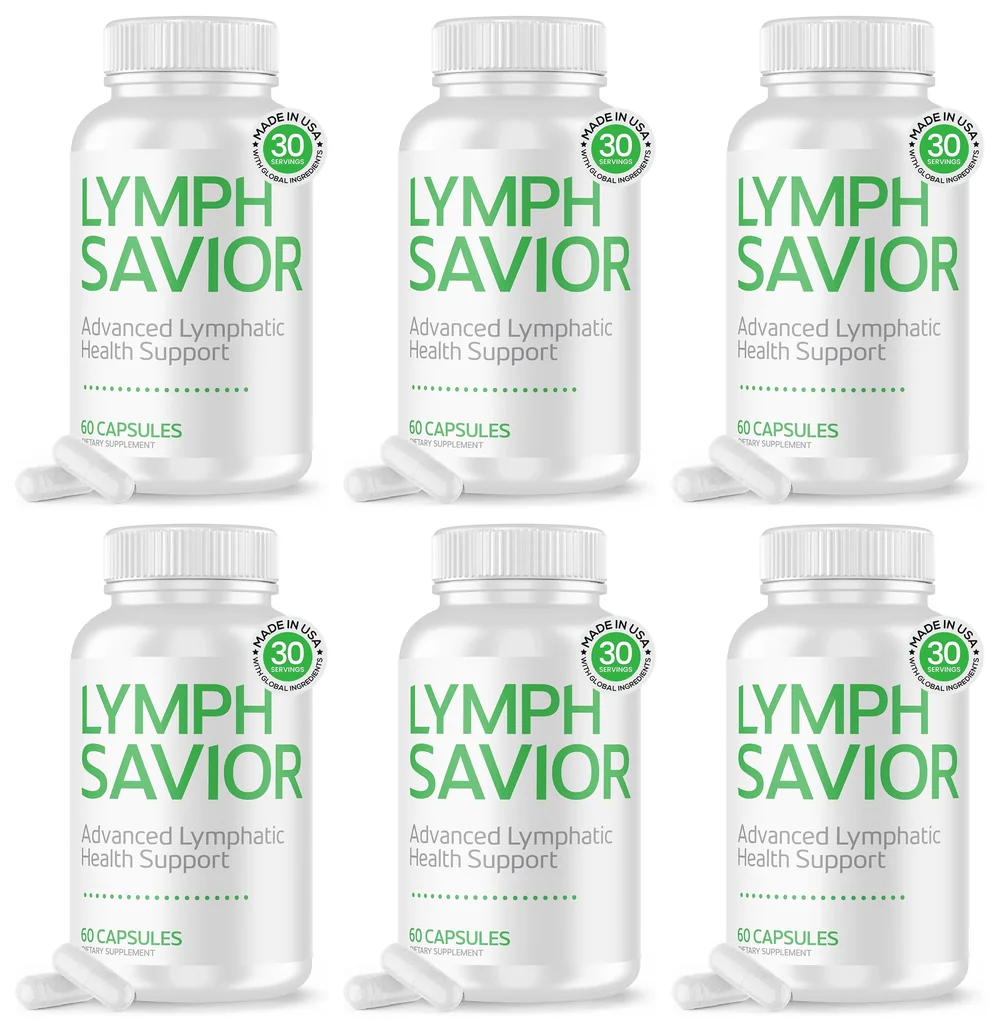
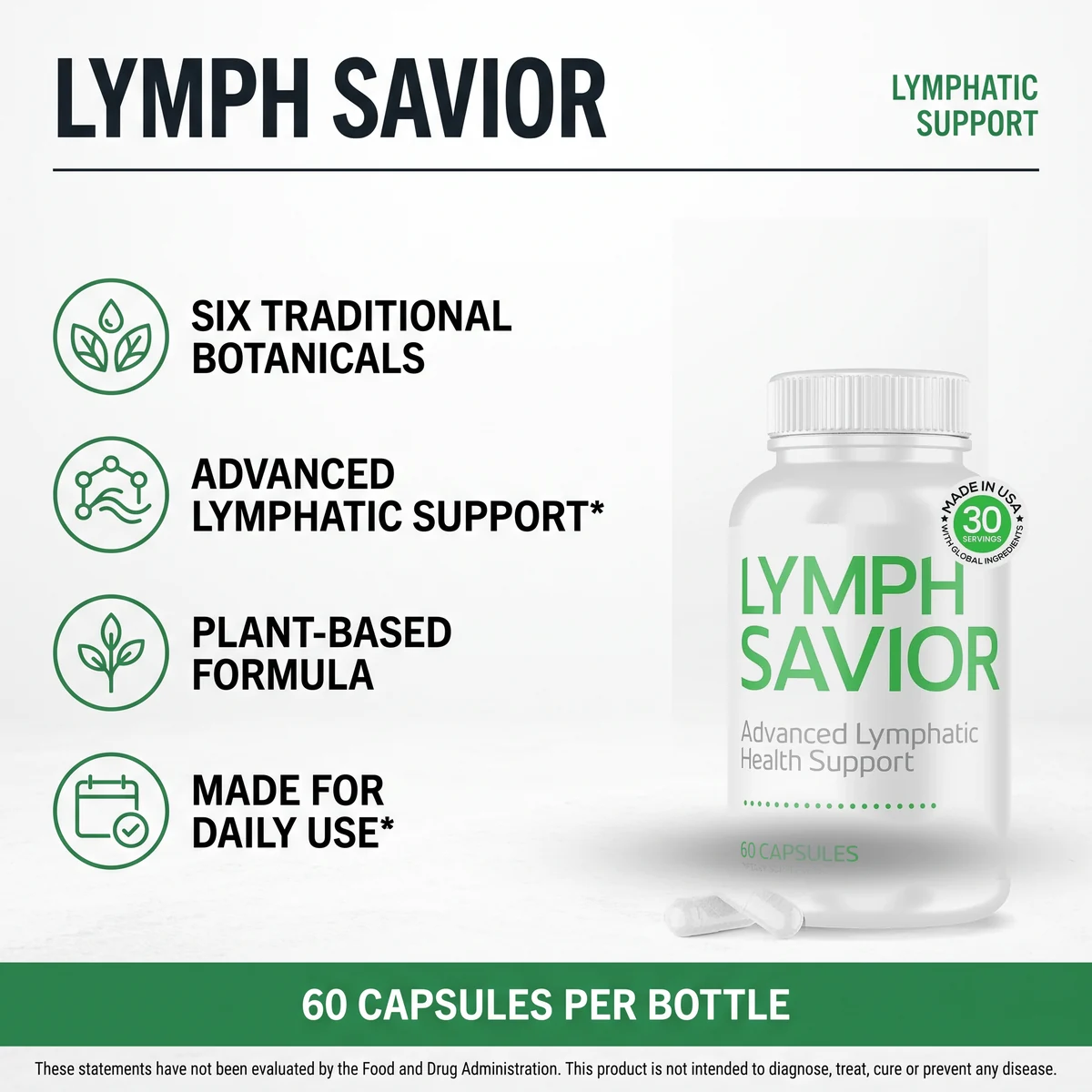
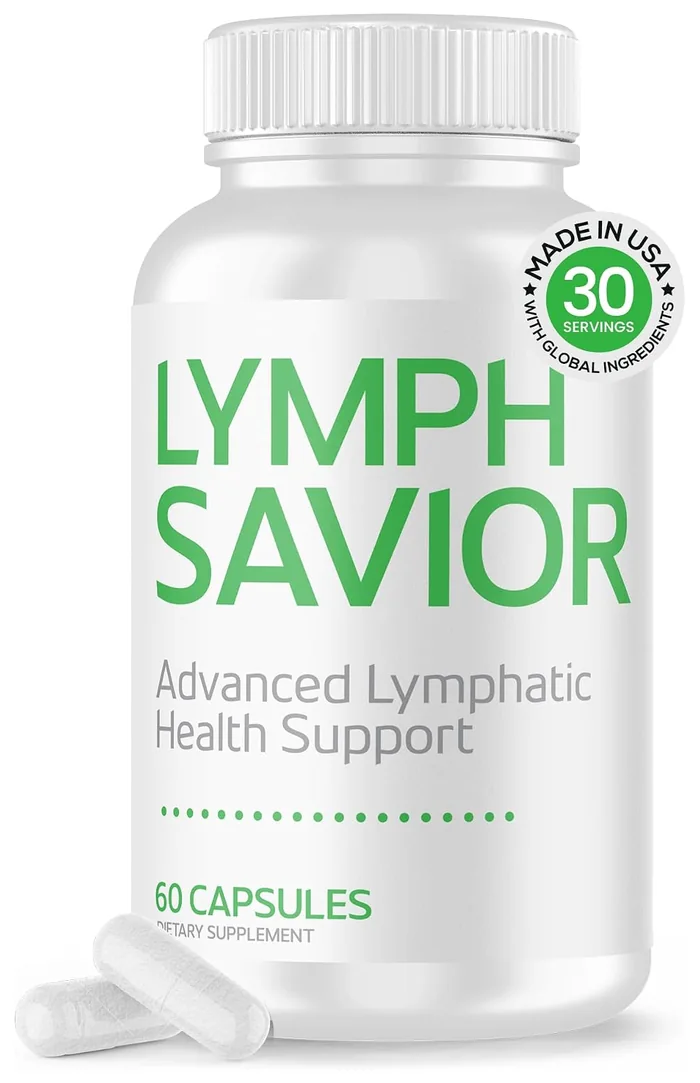
The front panel of Lymph Savior carries five things, and they are worth listing in full because the list is short.
- The wordmark, LYMPH SAVIOR.
- One support line: advanced lymphatic health support.
- The count: 60 CAPSULES.
- The category: DIETARY SUPPLEMENT.
- A roundel: made in USA with global ingredients, 30 servings.
Sixty capsules across thirty servings is two capsules a serving, which matches the seller’s written directions exactly, so the routine on this product is arithmetic that closes rather than an inference. That is more than many labels in this category manage.
What is not printed anywhere is an amount. Every render the manufacturer ships is front-facing, so no back label exists at any angle, and the seller’s own page repeats the six plant names without a figure beside any of them.
What a Supplement Facts panel carries
A Supplement Facts panel is a standardised box, and what goes in it is specified rather than optional (FDA supplement labeling guide). Four parts of it matter to a reader of this particular label.
| Part of the panel | What it tells you | On this label? |
|---|---|---|
| Serving size | How many capsules make one serving. | Yes, by arithmetic: 60 capsules over 30 servings. |
| Amount per serving, per ingredient | How much of each named plant you are taking. | No |
| % Daily Value where one exists | How the amount compares with a reference intake. | Not applicable to botanicals |
| Proprietary blend total | The combined weight of a blend, where individual amounts are withheld. | No |
| Other ingredients | The capsule shell, flow agents, fillers and colours. | No |
Two of those five would answer most of the questions this desk is asked about the product.
The five questions a panel would settle here
- How much horse chestnut, and what fraction is aescin. The trial figure is 50 mg of aescin twice daily (Diehm, Lancet 1996). Without a panel, nobody outside the manufacturer can say whether this capsule is near it or nowhere near it.
- How much centella. The studied figures separate a 120 mg daily arm from a 60 mg one (Incandela, 2001), which is exactly the sort of distinction a panel would make checkable.
- How much yerba mate, and therefore how much caffeine. This is the practical one. A caffeinated ingredient with no figure means anyone counting caffeine has an unknown in the bottle (Li, 2025).
- How much red clover isoflavone. The three-year safety study used a standardised 40 mg product (Powles, 2008). A figure would let a reader set this bottle beside it.
- What the capsule shell is. The vegetarian mark on the carton describes the formula rather than the shell, and the other-ingredients line is where a shell is named.
Every question above is answered by a photograph of a printed panel. This is a labelling gap rather than a testing gap, and it could be closed tomorrow at no cost to anybody.
Lymph Savior, with the numbers this desk does have
Six botanicals, two capsules a day, sixty to a bottle, and every trial amount on this website attributed to the trial it came from.
One bottle $79 · three bottles $207 · 60-day money-back guarantee
Order Lymph Savior On The Official Website60 capsules a bottle · lot LYM-26/LY-1430 · ships from the U.S.
The two vendor graphics that disagree
There is a second problem in the same neighbourhood, and it is worth printing because a buyer will otherwise find it themselves and wonder what else was not mentioned.
The manufacturer ships two ingredient graphics. The detailed one, headed INSIDE LYMPH SAVIOR, names six plants with their Latin binomials and the parts used, and it agrees with the seller’s written list line for line. The simpler one, headed WHAT IS INSIDE, shows six circles, keeps four of the same plants, and puts ginger root and echinacea where red root and centella asiatica sit on the other.
| Named on | Detailed tile and written list | Circle tile |
|---|---|---|
| Red clover | Yes | Yes |
| Horse chestnut | Yes | Yes |
| Burdock root | Yes | Yes |
| Yerba mate | Yes | Yes |
| Red root | Yes | No |
| Centella asiatica | Yes | No |
| Ginger root | No | Yes |
| Echinacea | No | Yes |
Neither graphic is a Supplement Facts panel, so neither is a regulated statement and there is no printed panel to settle it.
This desk follows the two sources that agree with each other and carry the more specific information, which means the six on the left. Ginger and echinacea are described nowhere on this website as ingredients of this capsule.
It matters to two groups in particular. Echinacea is itself an Asteraceae plant, so anyone who reacts to that family has a second reason to ask (Kljucevsek & Kreft, 2025). And ginger is taken seriously alongside anticoagulants. Neither person should be resolving the question from a marketing graphic.
What this desk prints instead
Where an amount cannot be printed, the next most useful thing is what the amount would have to be. So every ingredient page on this website carries the figure the published trials used, attributed to the trial, standing beside a label column with nothing in it.
- Red clover: 37.1 to 160 mg of isoflavones a day across nine randomised trials (Jiang & Wu, 2026).
- Horse chestnut: 50 mg of aescin twice daily for twelve weeks (Diehm, Lancet 1996).
- Red root: no trial amount exists, because no modern human study of the plant is indexed (Phares, 1868).
- Centella: 60 to 120 mg a day of the total triterpenic fraction (Incandela, 2001).
- Burdock: 2 g of root per cup, three cups a day, as a tea (Maghsoumi-Norouzabad, 2016).
- Yerba mate: three servings of tea a day over eight weeks (Bravo, 2025).
Those numbers belong to those trials. Lymph Savior is not any of those preparations and inherits none of their findings. They are printed so that a reader holding a bottle with no figures on it can see the shape of what is missing.
What a proprietary blend total would at least have given
There is a halfway house that a great many supplement labels use, and it is worth describing because this one does not use it either.
A proprietary blend is a panel line that names several ingredients together, gives one combined weight, and withholds the individual amounts. It is widely and fairly criticised, because the reader cannot tell whether the blend is ninety per cent of the cheapest plant in it.
Even so, a blend total is a real constraint. If a label says the blend is 500 mg and lists six plants, a reader knows immediately that no single plant can be present at more than 500 mg, which is enough to rule out any comparison with a 600 mg trial dose. It converts an unanswerable question into an upper bound.
This label does not print a blend total. So the arithmetic cannot even be bounded: a two-capsule serving might be 400 mg of plant material or 1,200 mg, and nothing on the artwork narrows it.
- A full panel with per-ingredient amounts: the reader can compare with every trial dose.
- A blend total with no breakdown: the reader gets an upper bound for each plant.
- No panel at all, which is this label: no comparison and no bound.
- In all three cases the plants named are the same. Only the reader’s position changes.
Why a page that sells the product says all this
Three reasons, and the third is the honest one.
The first is that a buyer finds out anyway. Anybody who looks for a panel and cannot find one concludes something, and it is better that they conclude it from a page that told them than from silence.
The second is that it sets a floor. A desk that prints its product’s largest weakness cannot then round up a strength, and every other claim on this website has to clear the same bar.
The third is commercial. A buyer who was told beforehand and bought anyway keeps the bottle; a buyer who finds out at week three asks for a refund, and this desk pays the processing either way. The 60-day window on the guarantee page is a real cost, and the cheapest way to manage it is to be accurate first.
- Jiang W, Wu K. The effectiveness of red clover on hot-flash in menopausal women: a GRADE-assessed systematic review and meta-analysis. Eur J Obstet Gynecol Reprod Biol. 2026;324:115226. https://pubmed.ncbi.nlm.nih.gov/42269521/.
- Powles TJ, Howell A, Evans DG, et al. Red clover isoflavones are safe and well tolerated in women with a family history of breast cancer. Menopause Int. 2008;14(1):6-12. https://pubmed.ncbi.nlm.nih.gov/18380954/.
- Diehm C, Trampisch HJ, Lange S, Schmidt C. Comparison of leg compression stocking and oral horse-chestnut seed extract therapy in patients with chronic venous insufficiency, Lancet. 1996;347(8997):292-4. https://pubmed.ncbi.nlm.nih.gov/8569363/.
- Phares DL. Ceanothus Americanus: Red Root, New Jersey Tea. Atlanta Med Surg J. 1868;9A(3):129-131. https://pubmed.ncbi.nlm.nih.gov/35824507/.
- Incandela L, Belcaro G, De Sanctis MT, et al. Total triterpenic fraction of Centella asiatica in the treatment of venous hypertension: a clinical, prospective, randomized trial using a combined microcirculatory model. Angiology. 2001;52 Suppl 2:S61-7. https://pubmed.ncbi.nlm.nih.gov/11666126/.
- Maghsoumi-Norouzabad L, Alipoor B, Abed R, et al. Effects of Arctium lappa L. (Burdock) root tea on inflammatory status and oxidative stress in patients with knee osteoarthritis, Int J Rheum Dis. 2016;19(3):255-61. https://pubmed.ncbi.nlm.nih.gov/25350500/.
- Kljucevsek T, Kreft S. Allergic potential of medicinal plants from the Asteraceae family. Health Sci Rep. 2025;8(2):e70398. https://pubmed.ncbi.nlm.nih.gov/39995792/.
- Li D, Yue L, Peng X, et al. Yerba Mate and its impact on glycemic control and metabolic health: a systematic review and meta-analysis, Front Endocrinol (Lausanne). 2025;16:1641592. https://pubmed.ncbi.nlm.nih.gov/41244043/.
- Bravo L, Martinez-Lopez S, Sierra-Cinos JL, et al. Yerba Mate (Ilex paraguariensis St. Hill.) tea may have cardiometabolic beneficial effects in healthy and at-risk subjects: a randomized, controlled, blind, crossover trial in nonhabitual consumers, Mol Nutr Food Res. 2025;69(9):e70065. https://pubmed.ncbi.nlm.nih.gov/40263915/.
- U.S. Food and Drug Administration. Dietary Supplement Labeling Guide. https://www.fda.gov/food/dietary-supplements-guidance-documents-regulatory-information/dietary-supplement-labeling-guide
- NHS. Lymphoedema. https://www.nhs.uk/conditions/lymphoedema/